
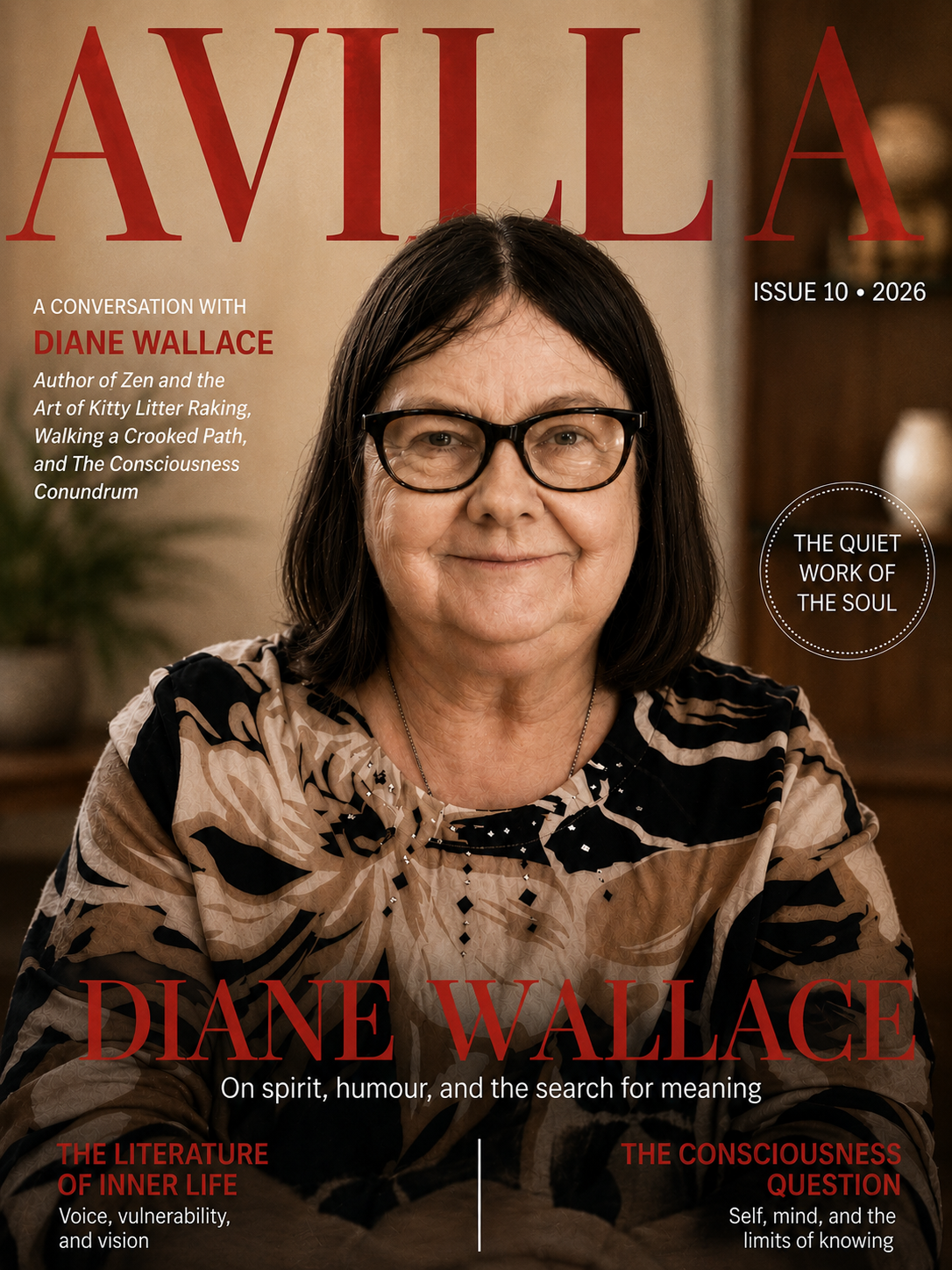
From Meditations to Reflections in Words
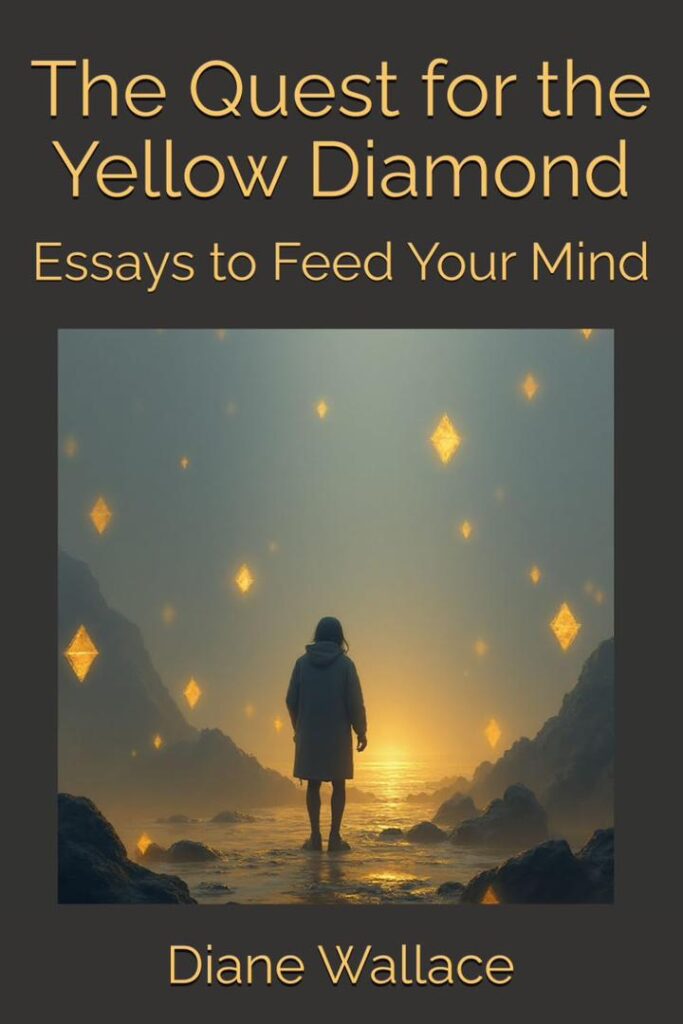
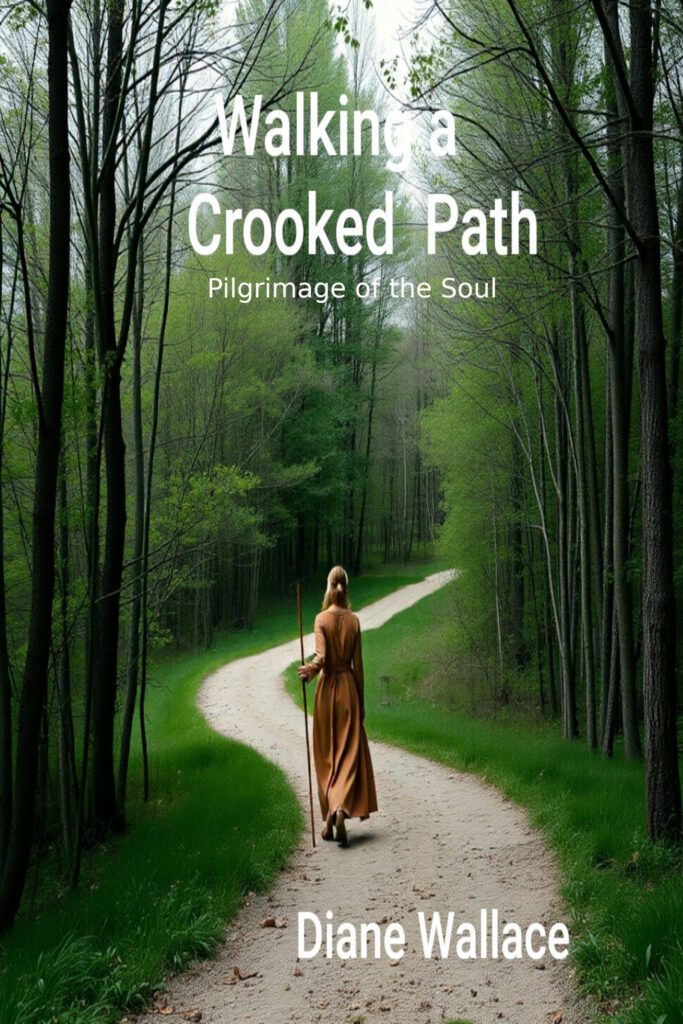
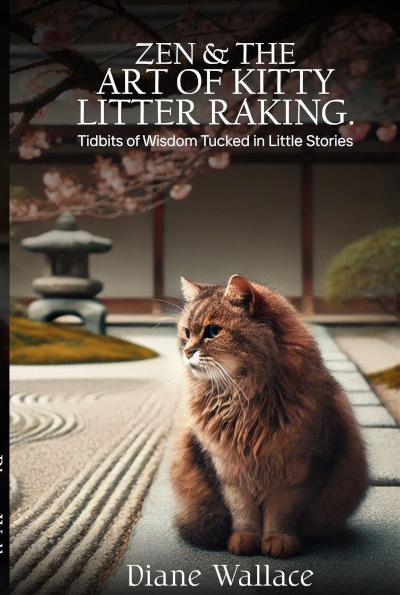
Diane Wallace is a writer whose work blends mindfulness, humor, and everyday reflection into accessible and thought-provoking narratives. Best known for her books Walking a Crooked Path, The Quest for the Yellow Diamond and Zen and the Art of Kitty Litter Raking, Wallace draws meaning from the ordinary, transforming familiar routines and life’s small absurdities into meditations on balance, presence, and personal growth. Her writing is marked by wit, warmth, and an ability to uncover deeper philosophical insights in unexpected places. In this interview, we speak with Wallace about the inspirations behind her books, her approach to weaving humor with spiritual reflection, and the lessons she has found in the simple moments of daily life.
Many of your stories center on humor—what role does laughter play in your worldview?
I find that laughter helps us look at life less seriously, even when things seem to be depressing and gloomy. Laughter raises our endorphins which increases happiness. Laughter dissolves anger because you cannot be angry at others when something they say or do makes you chuckle.
Is humor your coping mechanism or your philosophy?
I would have to say both. We all need to laugh more to relieve the tension we feel when we look at disturbing world events. My book focuses less on laughter than on gentle humor that arises when observing ordinary moments in life.
What does grief look like when filtered through gentle storytelling?
Grief is a natural part of living, whether it is loss of a dear pet or a loved one. It is a tender memory that crops up when you least expect it. In a later book, I discuss the pain I felt when I decided to leave my family and move to California. Nothing can erase that pain but telling the story helped me put everything in perspective.
Do you write to remember or to understand?
I write to understand. I am always searching for the deeper meaning of life, rather than spending time in small talk. I am curious about the history of places and events and do a lot of research to allow me to look at them with different eyes. I hope that my readers will connect with the tidbits of wisdom I include with every short story.
Where do you draw the line between the ordinary and the sacred?
Everything in this world is sacred. The Native Americans view everything as having a spirit, even the rocks and trees. They treat everything as sacred, which leads to their belief in a duty to care for the earth. When my children were little, they delighted in picking dandelions. What I saw as ordinary was to their eyes beautiful.
Are you a storyteller first or a spiritual observer?
I have adopted as my model this quote from the Dalai Lama. “The planet desperately needs more peacemakers, healers, restorers, storytellers, and lovers of all kinds.” I consider myself to be a storyteller and I weave my spiritual beliefs and observations into the stories.
What makes a small moment worth preserving on the page?
At my current age of 74, I find that some of my experiences throughout my long life have stood out as particularly memorable, particularly when I look back on experiences with my family. They felt like they needed to be shared. One example is the story of a baby bird who my daughter took on an adventure to a big city.
How much of your work is shaped by loss?
Some of my stories speak of experiences I had with people I have lost in my life, including my late husband and the family I left behind when I moved away to pursue a different kind of life.
Do animals in your stories mirror human truths?
The stories about seagulls point to a greater truth that we are all born with potential to spread our wings and learn to fly. The picnic with the bear reminds us that animals teach us the awesomeness and beauty of the earth.
Is solitude a gift in your life or something imposed?
I am an introvert, so solitude is very important to my peace of mind. I find interacting with a lot of people draining and need time by myself to recharge my batteries. Many writers also share this trait, such as Henry David Thoreau who said, “I never found the companion that was so companionable as solitude.”
Do your essays begin with insight, or arrive there by accident?
Most of my insights arrive by accident. I don’t have a clear idea of what I am going to write, I just get an idea and start writing from there. Sometimes it surprises me how the story actually turns out.
Can you describe your writing process when developing these short, reflective essays?
I usually start with a title and let the story unfold. For instance, Zen and the Art of Kitty Litter Raking just popped into my head, and I trusted that the story would unfold as I went along. I do not have a planned theme or a map that many writers use to plot out their stories.
What does laughter reveal that seriousness cannot?
Laughter allows us to take the bite out of serious situations. For instance, if you were to get lost while driving, you might get angry at yourself for making a stupid mistake. Instead, you can laugh or chuckle at yourself and simply find another way to travel.
How do you find philosophical meaning in everyday, ordinary moments?
The meaning is there; I just work hard to find it. That is why I use quotes in my writing because often other people have said just the words I was looking for.
Animals feature prominently in your work—what do they represent for you?
Animals are part of the spirit world and often show up to provide a message about something we are puzzling over. Animal totems are also called spirit animals and through meditation or dreams, one can find wisdom and insights that is important to understand throughout your journey in life.
What draws you to blending spirituality with domestic life experiences?
Throughout my life I have explored many different religions and spiritual paths which I talk about in my second book, Walking a Crooked Path. I have evolved during these explorations to an understanding that everything is spiritual. Zen Buddhism teaches that even washing dishes or making the bed is a spiritual action. Walking in mindfulness of each step brings peace that is difficult to find when you are distracted by thoughts of what will happen next.
How do you decide which small, personal moments are worth turning into stories?
There is no particular reason. I often think that a spirit is guiding me in making choices that people will resonate with.
If readers remember one feeling after this book, what should it be?
I hope that they will find the experience enjoyable and find themselves thinking about some of the tidbits of wisdom woven into the stories even after they put the book down.
Where can readers purchase your books?
My books are available on Amazon through the links below.