There is no disparities in how Artificial Intelligence has changed our lives. It represents the new phase of the world today, with new trends emerging in the space, new perspectives are unfolding, and human interactions are becoming determined by various technology trends.
However, some might argue if it’s for the better.
It is a common saying that artificial intelligence will replace human labour i.e it is going to claim more jobs than envisaged. However, experts have weighed in to say that artificial intelligence will not replace human but someone using artificial intelligence will.
This article explores the intersection of human-robot interaction and artificial intelligence. It will analyze the good, the bad, and the (potentially) scary stance of artificial intelligence.
The Good
Improved Accessibility and Quality of Life
Artificial Intelligence (AI) has the potential to significantly improve accessibility and enhance the quality of life for many individuals. AI-powered assistive technologies, such as speech recognition, text-to-speech, and computer vision, can enhance accessibility for individuals with disabilities. These technologies can help with tasks like navigation, communication, and information access, enabling greater independence and inclusion.
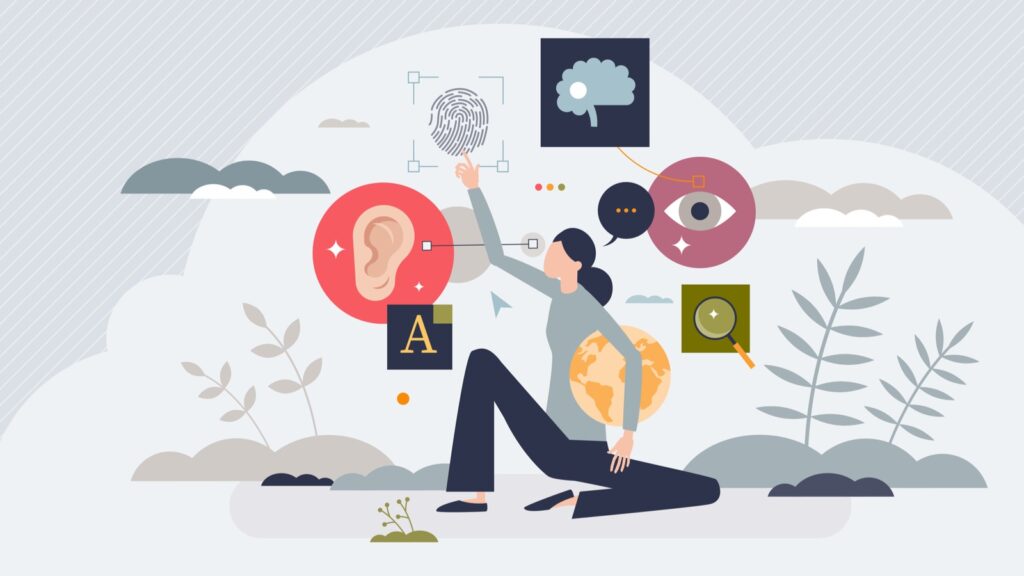
Also, AI algorithms can analyze medical data, images, and records to assist healthcare professionals in making more accurate and timely diagnoses. This can lead to earlier detection and more effective treatment of various conditions, ultimately improving patient outcomes and quality of life. The promise of this technology is a higher quality of life for everyday users
Improved Communication with Machines
The use of large language models (LLMs) is transforming the way we communicate with machines, leading to more dynamic interactions. These models can parse and generate human-like text, making it possible to use them for brainstorming, practicing difficult conversations, or even seeking emotional support. While they are versatile support tools, they should be seen as resources rather than as replacements for human interaction. LLMs are bridging gaps in areas where human touch was once necessary, providing insights and different perspectives when needed. Remember, they are still tools meant to enhance, not replace, human interaction.
Revolutionizing the Built Environment
AI technology provides unprecedented advantages in optimizing construction processes, improving safety protocols, and promoting sustainable practices. It enhances project cost and schedule forecasting accuracy, boosting productivity and efficiency in the industry. By automating repetitive tasks in design, planning, and management, AI allows human workers to concentrate on more complex and creative aspects. This not only saves time but also minimizes human error, ensuring a safer working environment and potentially saving lives.
Enhanced Human Performance
The idea of “superintelligence” is something that we understand rigorously. It is obvious that there are specific tasks done by computer inference in less time and with more accuracy than what can be done by a human. It is worth mentioning that such functions have been able to achieve superhuman performance from the early Apollo orbiter software which was used to calculate Earth orbit re-entry parameters to AI widgets always winning “solved game”, or even Watson defeating the best Jeopardy champs.Let us not waste time questioning if, for instance, Apollo guidance software was “AI” or not. Rather, let us see how a limited 1960’s computers could provide one crucial superhuman function. Machine learning (ML) through deep neural networks has definitely transformed our capabilities for big data analytics and classification or other forms of learning from them. In fact, ML perception has become significantly helpful in medical issues like detecting cancer in health sector today.This kind of societal impact will continue into future as artificial intelligence and machine learning grow and converge.
The Bad
Potential Bias from Incomplete Data
AI is a powerful tool that can easily be misused. In general, AI and learning algorithms extrapolate from the data they are given. If the designers do not provide representative data, the resulting AI systems become biased and unfair. For example, if you train a human detection algorithm and only show the algorithm images of people with blonde hair, that system may fail to recognize a user with brown hair (e.g., brown hair = not a human). In practice, rushed applications of AI have resulted in systems with racial and gender biases. The bad of AI is a technology that does not treat all users the same.
Increased Dependence on Technology Reduces Critical Thinking
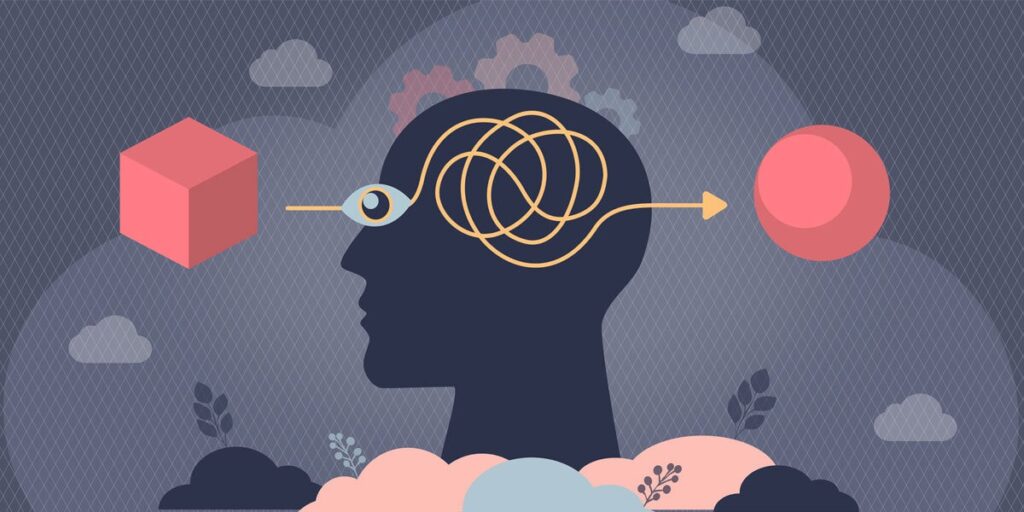
With the power of LLMs comes the inherent challenge of managing our reliance on them. There is a potential risk of diminishing critical thinking skills if users depend too heavily on AI-generated content without scrutiny. Also, as these models are trained on vast amounts of internet text, they might unknowingly propagate biases present in their training data. Therefore, it is imperative that we approach the adoption of LLMs with a balanced perspective, understanding their subsumed biases and risks and ensuring that they complement human intelligence rather than replace it.
A Large Carbon Footprint
Unfortunately, AI may have its own carbon footprint and negative environmental impact because it relies heavily on computing at data centers. Those data centers consume a large amount of electricity, and also require a significant amount of water for cooling purposes. Therefore, we are faced with an important challenge of designing green, sustainable AI algorithms that can work with minimal environmental impact. It’s important for us to start quantifying this impact, and to start thinking of solutions (e.g., new algorithms, etc.) that can slash the electricity bill of AI and tame its environmental impact.
The Scary
Artificial Intelligence is Influencing our Decision-making
“We are already facing the negative outcomes of AI. For example, take recommendation algorithms for streaming services: the types of shows you see are influenced by the shows recommended to you by an artificial agent. More generally, today’s AI systems influence human decision making at multiple levels: from viewing habits to purchasing decisions, from political opinions to social values. To say that the consequences of AI is a problem for future generations ignores the reality in front of us — our everyday lives are already being influenced. Artificial intelligence — in its current form — is largely unregulated and unfettered. Companies and institutions are free to develop the algorithms that maximize their profit, their engagement, their impact. I don’t worry about some dystopian future; I worry about the reality we have right now, and how we integrate the amazing possibilities of artificial intelligence into human-centered systems.”
Potential Loss of Human Connection
One of the deeper concerns surrounding LLMs in human-AI interaction is the potential erosion of genuine human connection. As we begin to converse more often with AI, naturally there is a question over the authenticity of our interactions. Will we, over time, prefer the consistent and tailored responses from an LLM over the unpredictable, messy, spontaneous, but genuine nature of human conversation? Moreover, there is the ethical concern of AI being used to manipulate or deceive, given its ability to generate convincing narratives. Hence, it is crucial that we discuss how to set guardrails and ethical standards for the deployment and use of LLMs, ensuring they are used to enrich our lives rather than diminish the essence of human connection. While LLMs bring challenges, they also offer unprecedented opportunities. It is up to us to harness their capabilities responsibly.
Ethical Considerations and Workforce Implications
As automation becomes more prevalent, concerns about job loss arise. For instance, drones and AI-powered virtual reality may replace humans in tasks like overseeing construction sites. The focus should shift from job displacement to training workers for new AI-related roles that offer job security and growth. It’s important to ensure ethics and inclusivity in AI development to avoid biased predictive models that may not work well for smaller firms.
Job Security
Most purchases are now made online, including major decisions like buying a house or car. Similarly, AI is gaining importance in decision-making processes. While it may seem daunting to rely on software for tasks like driving or medical diagnosis, it is important to consider if AI could potentially replace jobs such as drivers or doctors. However, instead of replacing them, AI can assist doctors in analyzing vast amounts of data quickly for more accurate diagnoses. Although some jobs may be at risk, it may also lead to the creation of new job opportunities that we cannot yet foresee.