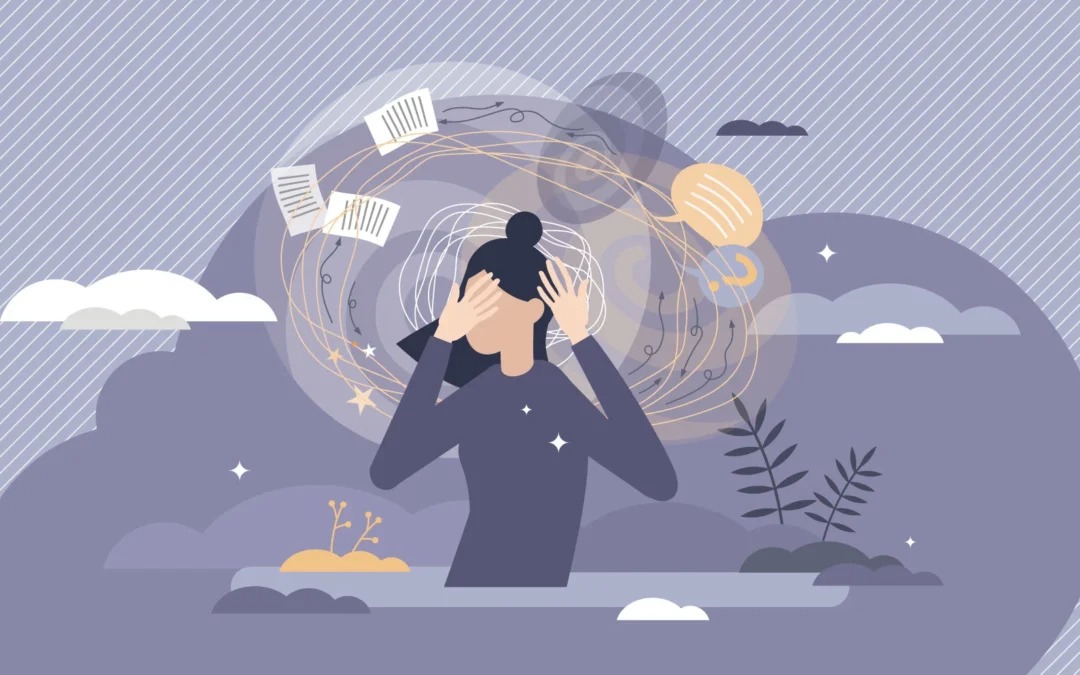
Stress is a common denominator in the lives of many people all over the world. Throughout the span of our lives, we would all face stressful situations. It could range from as minor as burned out fuse to more serious worries, such as a grave illness.
To combat this, there are several techniques to aid with managing stress. Relaxation is a process that lessens the effect of stress on your mind; that is, help you cope with everyday stress. The nice thing about these techniques is that they are often free and pose little risk.
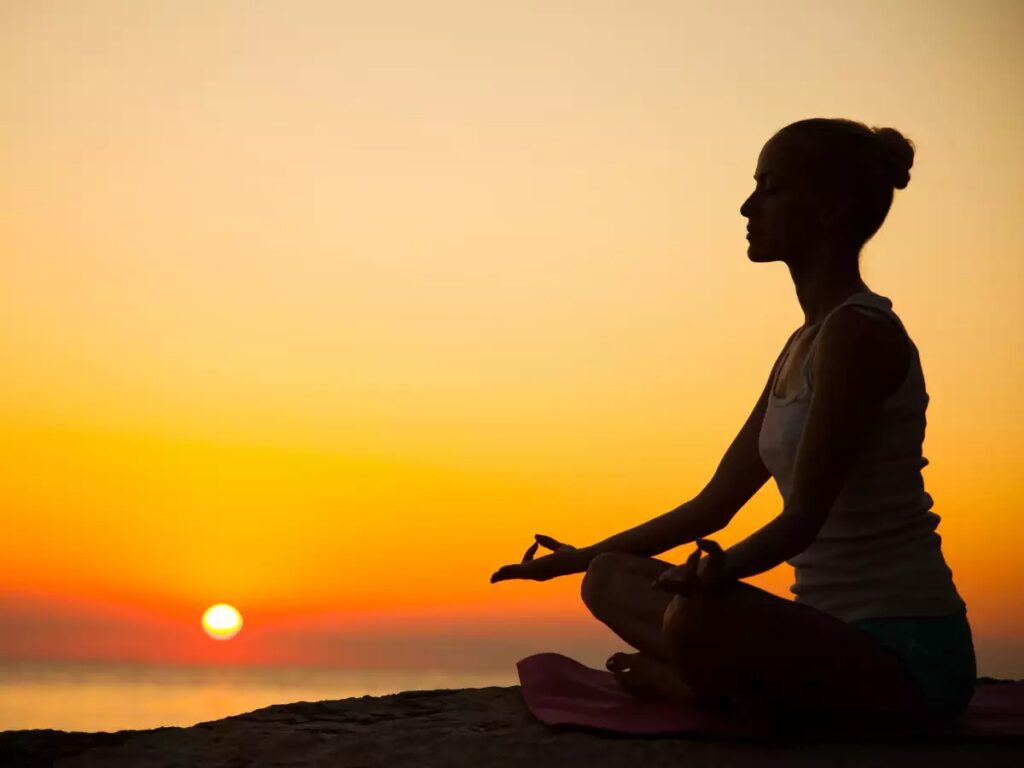
1. Breathing Exercises: It has been proven scientifically that we can reduce stress through breathing exercises. Breathing is simply inhaling oxygen and expelling carbon dioxide through the lungs. Generally, breathing exercises are a form of exercise which can improve the overall efficiency at which the lungs function. The greatest importance is that these exercises can help you relax, because they make your body feel like it does when you are already relaxed. It sends a powerful message to your brain to calm down. When you merely focus on your breath for a few minutes, it can greatly impact your stress levels. There are lots of breathing exercises you can do to help relax. Breathing techniques for stress relief may include belly breathing, alternate nose breathing, humming bee breathing, lion’s breath, equal breathing, and breath focus technique. The first exercise below—belly breathing—is relatively easy to learn and do. Advisably, it would be nice to start with that if you have never done breathing exercises before. The other exercises are a bit more advanced.
– Sit or lie flat in a comfortable position.
– Put one hand on your belly just below your ribs and the other hand on your chest.
– Take a deep breath in through your nose, and let your belly push your hand out. Your chest should not move.
– Breathe out through pursed lips as if you were whistling. Feel the hand on your belly go in, and use it to push all the air out.
– Do this breathing 3 to 10 times. Take your time with each breath.
Do you notice how you feel at the end of the exercise? This form of breathing is the cornerstone of many other relaxation practices.
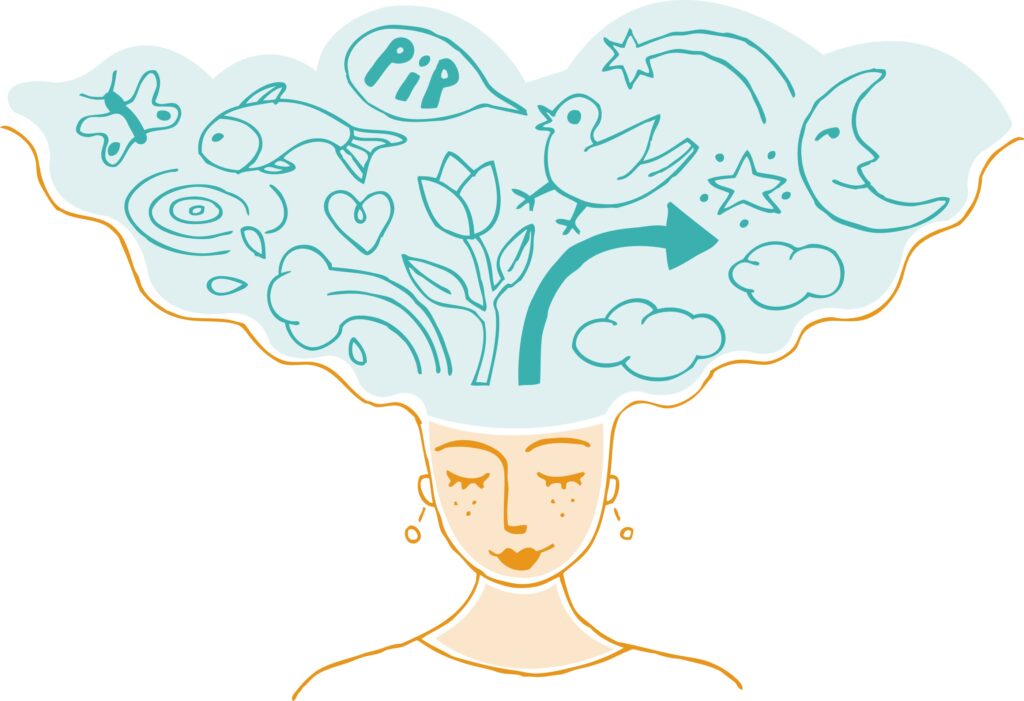
2. Guided Imagery: Guided imagery is a program of directed thoughts and suggestions that guide your imagination toward a relaxed, focused state. It is based on the idea that your body and mind are connected. The relaxed state may help you feel more in control of your emotions and thought processes. To do guided imagery, you conjure up soothing scenes, places, or experiences in your mind to help you relax and focus. There are free apps and online recordings of calming scenes—just make sure to choose imagery you find soothing and that has a personal significance. These images help you reinforce a positive vision of yourself, but it can be difficult for those who have intrusive thoughts or find it hard to conjure up mental images. Choose whatever setting is most calming to you, whether it’s a tropical beach, or a favorite childhood spot.
3. Repetitive prayer: If religion or spirituality is meaningful to you, your faith may contain the tools needed to combat stress. For this technique, you silently repeat a short prayer or phrase from a prayer while practicing breath focus. The repetition breaks the train of everyday thoughts that can cause stress, like worrying about losing money. Meditating via prayer creates a sacred atmosphere that can create a sense of awe and reverence.
4. Taking a Walk: It might seem absurd but walking is a very great way to relieve stress. It is a fantastic stress reliever that can work in minutes. Research has shown that an hour walk has the potential to decrease activity in brain regions involved in processing stress. You get to enjoy a change of scenery, which can bring you into a different frame of mind. So whether you just need to take a stroll around to get a break from a frustrating task or you decide to go for a long walk in the park after work, walking is a simple but effective way to rejuvenate your mind and body
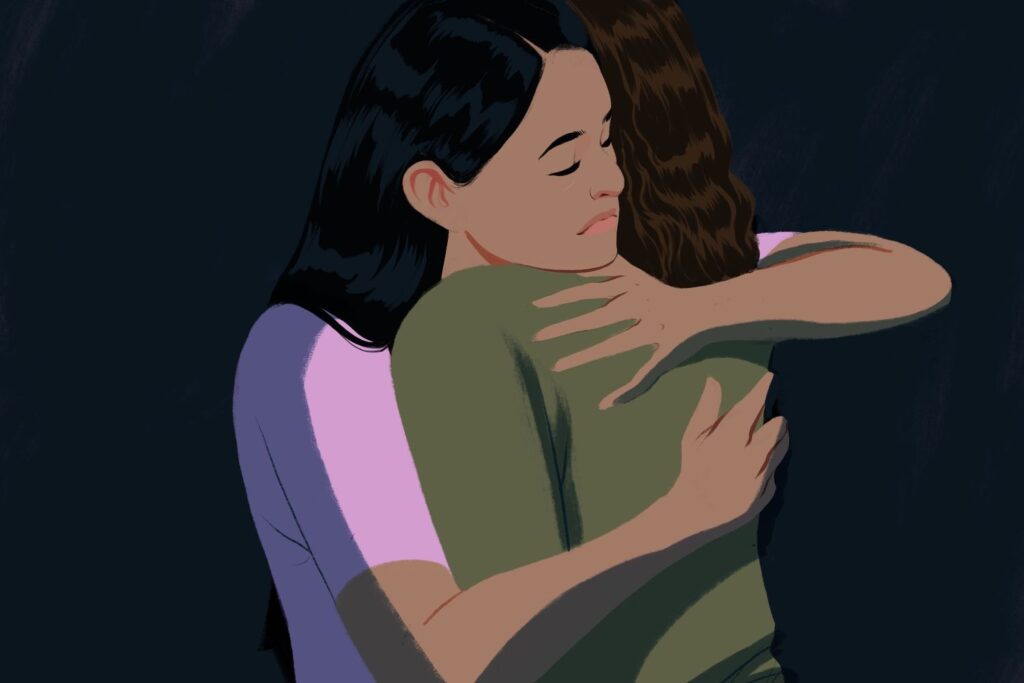
5. Get a Hug (Physical Touch): Physical touch is underrated, but can do a lot to relieve your stress. Scientists say that giving another person support through touch can reduce the stress of the person being comforted. Oxytocin (also known as the cuddle hormone) is released when you hug, touch or sit close to someone else. A good hug slows down the heart rate and decreases the level of the stress hormone, in our bodies.
6. Create Artwork: This is a technique that uses a person’s creativity to process and understand emotions. The main goal is to help you get in touch with your creative side. If you aren’t into drawing or painting, consider coloring in a coloring book. Activities as simple as coloring are seen to help stress levels reduce exponentially. Adult coloring books have risen in popularity, and for good reasons. Research consistently shows that coloring can have a meditative effect. One study found that anxiety levels decline in people who were coloring complex geometric patterns, making it a perfect outlet for stress reduction.
7. Eat a Balanced Diet: A poor diet can bring greater reactivity toward stress. Refined carbs, like cookies and potato chips, can cause a spike in blood sugar. When your blood sugar crashes, you might experience more stress and anxiety. However, a growing body of research suggests that a healthy diet can play a significant role in mitigating stress and promoting overall well-being. Foods like eggs, avocado, and walnuts support mood regulation and energy balance. It is important to note that while food alone cannot eliminate stress, a balanced diet can play a significant role in reducing stress levels and promoting overall well-being.
8. Keep a Journal: Journaling involves the practice of keeping a diary or journal that explores thoughts and feelings surrounding the events of your life. A research has shown that this can help in no small way to alleviate stress in our lives. For example, when you write down your thoughts, there is a high probability you understand it better and form new perceptions about it. Furthermore, it helps with emotional healing by encouraging a person to reach out. It doesn’t have to be just about writing sentences. You can write lists, make poetry, compose a song, write a letter, draw some art, or also find journaling prompts online that might inspire you.
CONCLUSION
Stress is an inevitable part of life, but it definitely doesn’t have to control your life. You can learn to manage stress and live a more balanced, healthy, and happy life. Remember that everyone is unique, and what works for one person may not work for another. Try to experiment with different techniques to find what works best for you.
With time and practice, you can develop the skills and resilience to handle even the toughest challenges. So, take a deep breath, relax, and start managing your stress today!